
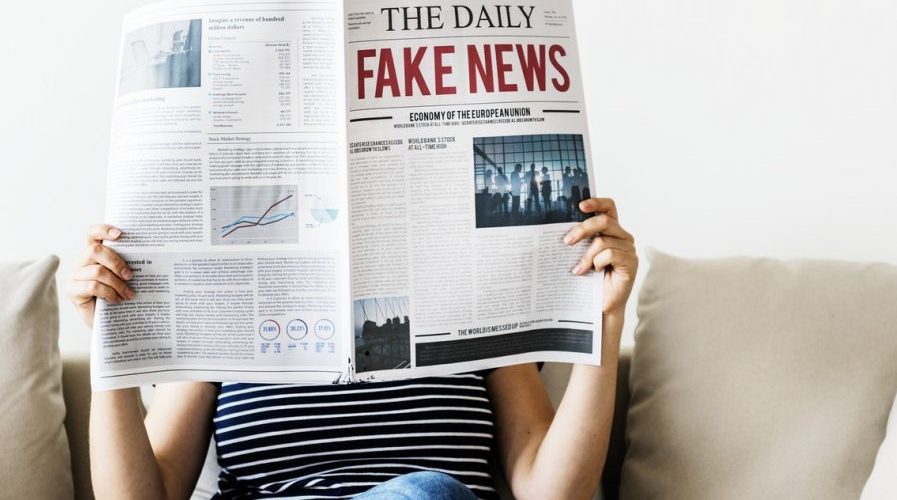
Ever wondered how and why fake news are created? A small town in Southeastern Europe called Veles, Macedonia was recently named the fake news capital of the world. In 2016, this town hosted more than 100 pro-Trump websites which were actually misleading or completely false information. The writers were profiting from the traction gained in America during the 2016 US elections. Since then, the fake news industry began sprouting in other places because it is easy earnings for young people who cannot find employment.
Social media has enabled the fake news industry because it encourages people to interact with those who are similar to themselves, and who usually share similar beliefs. In such echo chambers, the likelihood of them believing articles that their friends had shared or liked increases, even if it is not true. It is a widespread problem across countries especially concerning political topics.
Read the full article on Channel NewsAsia: Meet the fake news trolls who influenced US and Indonesian polls for money
Analysis:
The reason that fake news spread faster than real ones is because people often operate in mental models like confirmation bias. They like reading and sharing information that proves their own beliefs, and gloss over the fact it might be poorly written with little real evidence. Writers of fake news exploit these behaviors and tendencies with sensational headlines to play on the readers’ emotions.
Thus, media literacy is important. It is recognised that sources of fake news would not be easy to eliminate or clean up because more sites can easily spring up and new bots can be created. The other method of defence (which is not any less difficult in some ways) is to educate the public on how to assess the credibility of content before sharing.
Questions for further personal evaluation:
- What are the challenges of cleaning up fake news sources?
- How can consumers of information be less susceptible to spreading fake news?
Useful vocabulary:
- ‘dubbed’: given an unofficial name, or nickname
- ‘infamy’: the state of being well known for some bad quality or deed
Picture credits: https://unsplash.com/photos/mGVhGkvBTYc