
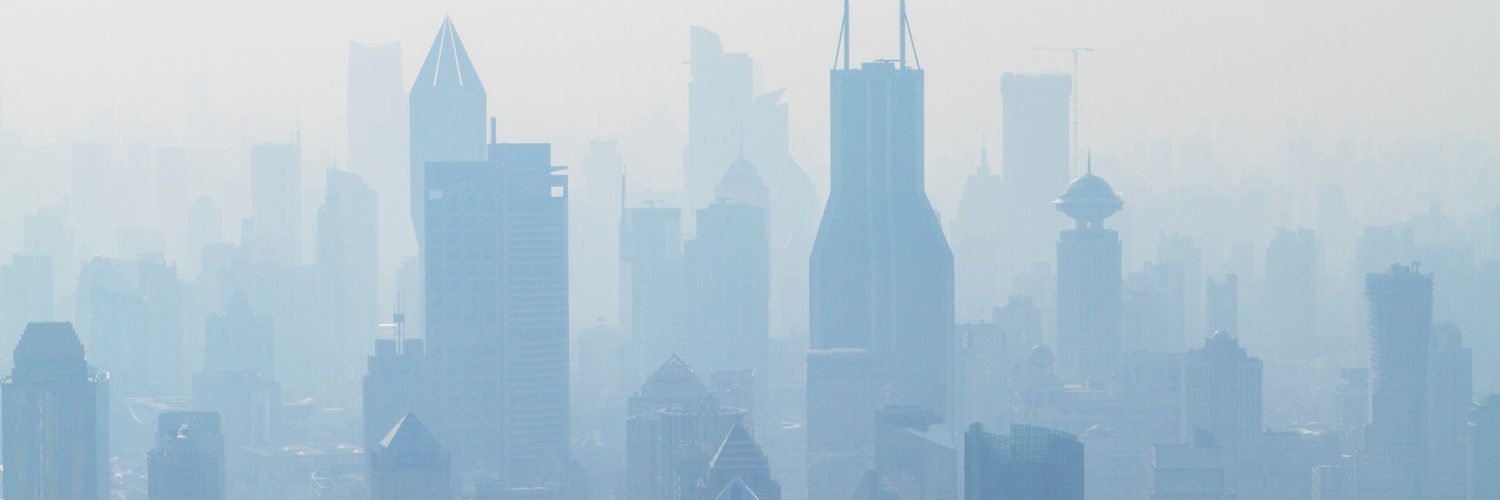
The problem of air pollution is a major threat to human health worldwide. Air pollution has no boundaries and can affect anyone. According to the World Health Organisation, it results in 7 million premature deaths a year from exposure to polluted air. It is also 10 times more likely to occur in low to middle income countries, many of whom live in urban informal settlements inundated with daily challenges, not just air pollution from the use of dirty fuels and other sources.
Currently, methods to reduce exposure in these informal settlements include awareness raising and campaigns, but they are met with limited success. The authors tried a different approach in Muruku, an informal settlement in Kenya. They involved the residents to work with interdisciplinary researchers to explore how best to raise awareness and develop solutions to tackle the local air pollution issues. The differentiating factor is in the involvement of the community to understand sources of pollution that outsiders would otherwise have missed out.
The group aimed to maximise participation and engagement using creative means such as theatre, storytelling, photography, and drawing. All these in a bid to deeply involve the community right from the beginning. Eventually, they identified issues that the community recognised as indirect causes to the problem, such as workers’ rights, lack of protective clothings, and poor waste management.
Read the full article on World Economic Forum: Here’s how art could help us tackle air pollution
Analysis:
Air pollution is one of the world’s complex global problems that require multidisciplinary solutions. Such ‘wicked problems’, as termed in the public policy sphere, are not straightforward issues to be solved with simple solutions across the board, and require a lot of local support and buy-ins. Air pollution causes an estimated loss of $225 billion in lost labour alone, not accounting for healthcare costs. India cities suffer the highest rates of pollution in the world, according to this report.
This case study supports the benefits of using creative participatory methods, using the arts as a way of connecting to locals despite cultural differences. Often, researchers and academics from developed countries step in to ‘solve’ third-world country problems with filtered lenses. They sometimes overlook local participation and become somewhat blindsided to intricacies of the complex web of local issues that might be affecting the problems they are trying to tackle.
Questions for further personal evaluation:
- What other ‘wicked problems’ can you identify in modern society that requires innovative and participatory solutions?
- How would you creatively tackle complex issues such as air pollution?
Useful vocabulary:
- ‘preconceptions’: a preconceived idea or prejudice
- ‘blinkered’: having or showing a narrow or limited outlook
- ‘culminated’: reach a climax or point of highest development
Picture credits:https://unsplash.com/photos/wZTiKB6rQYY